Heritage or Stagnation: When Influence Becomes Industry Standard
Analyzing how vintage watch design and popularity influences modern watchmaking
By Eli Turanski
May 4, 2026
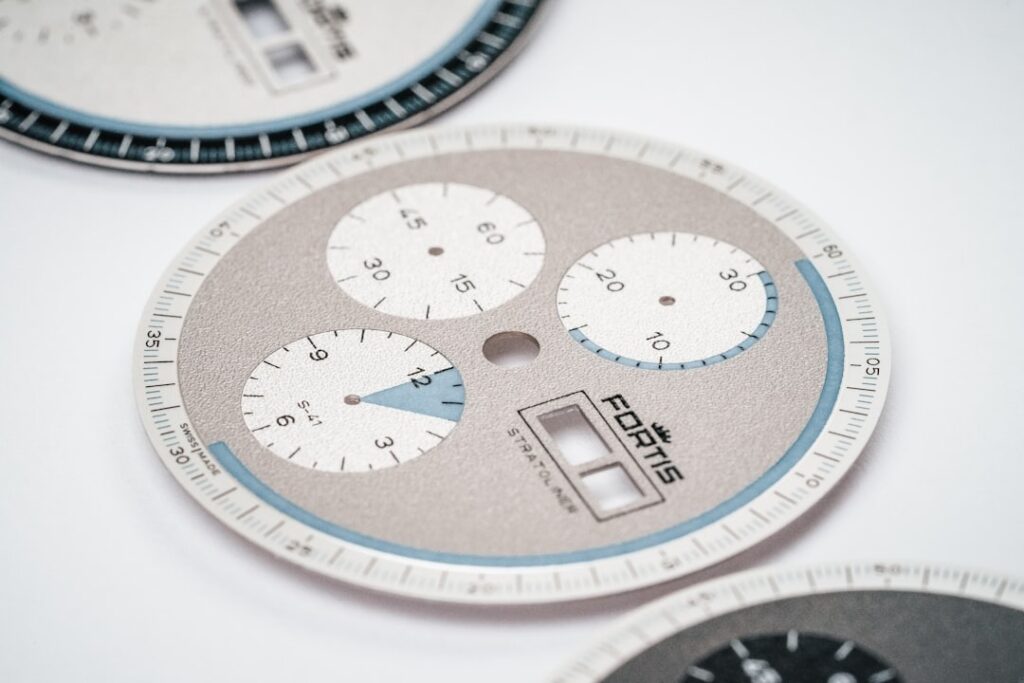
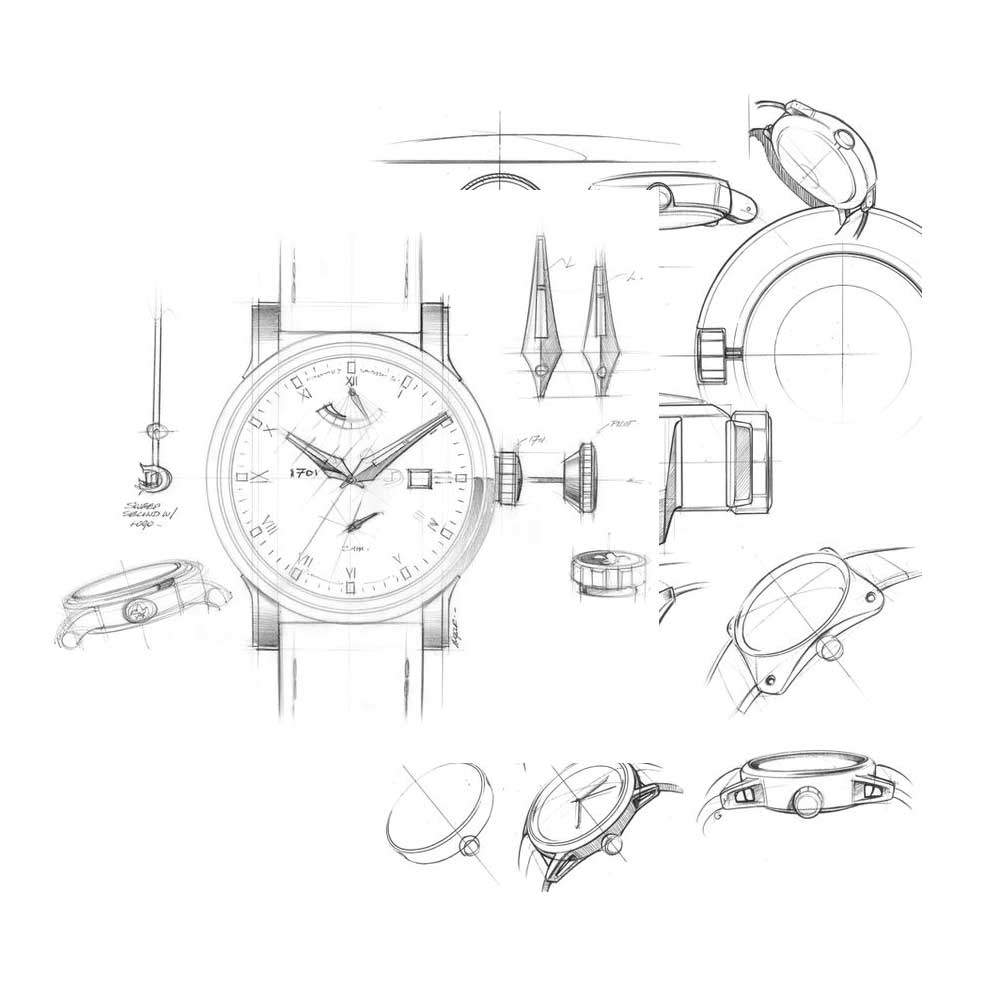
People often look at the past for inspiration and find that they prefer craftsmanship, intention, and innovation. Timeless and classic objects are not only desired for their form, but also their simplicity and quality. We often miss that real innovation often requires stepping away from the familiar and into something else. Instead of striving to create something new, we revive, adjust, and borrow from the classics, justified through vintage inspiration. Truth is, heritage is no longer just aesthetic influence, it’s a structural driver in watch design, marketing, and institutional recognition.
Institutional Influence (GPHG & Awards)
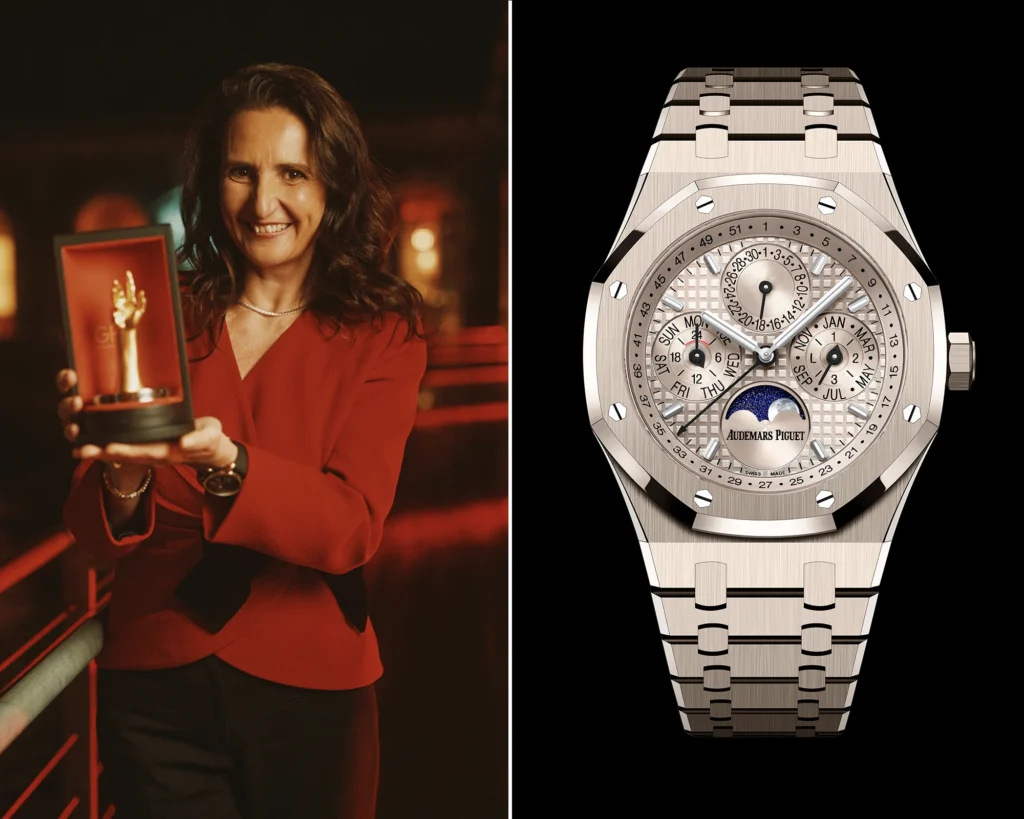
Image: GPHG— Press Image
Institutional appreciation goes farther than just understanding design influence, as Rebecca Struthers, watchmaker, and historian says “ The Grand Prix d’Horlogerie de Genève (GPHG) have been recognizing “Iconic” watch designs since 2019 which I think says a lot about the importance of heritage in the current market.” Recently, this has become stunningly clear. The Icon award is presented each year to a watch that reflects a “men’s or ladies’ watches from an emblematic collection that has been exercising a lasting influence on watchmaking history and the watch market for more than 25 years.” While the award is new and directly expresses interest in history and market influence, repeated winners like AP’s three awards attributed to the Royal Oak can shift the Icon category from recognizing broad historical influence toward reinforcing a small set of already-dominant modern icons
Just announced for GPHG 2026, the rules surrounding the Icon award have been changed, as stated on the GPHG website, “all watches released during the year offering a contemporary reinterpretation of an iconic model that has been exercising a lasting influence on industry for more than 20 years are eligible – whether or not they are officially entered in the competition.” So not only do brands not need to enter, but they might also not even need to make a new watch specifically for the GPHG. This applies across the board but could easily be considered an opening with brands planning major launches.
Brand Revivals
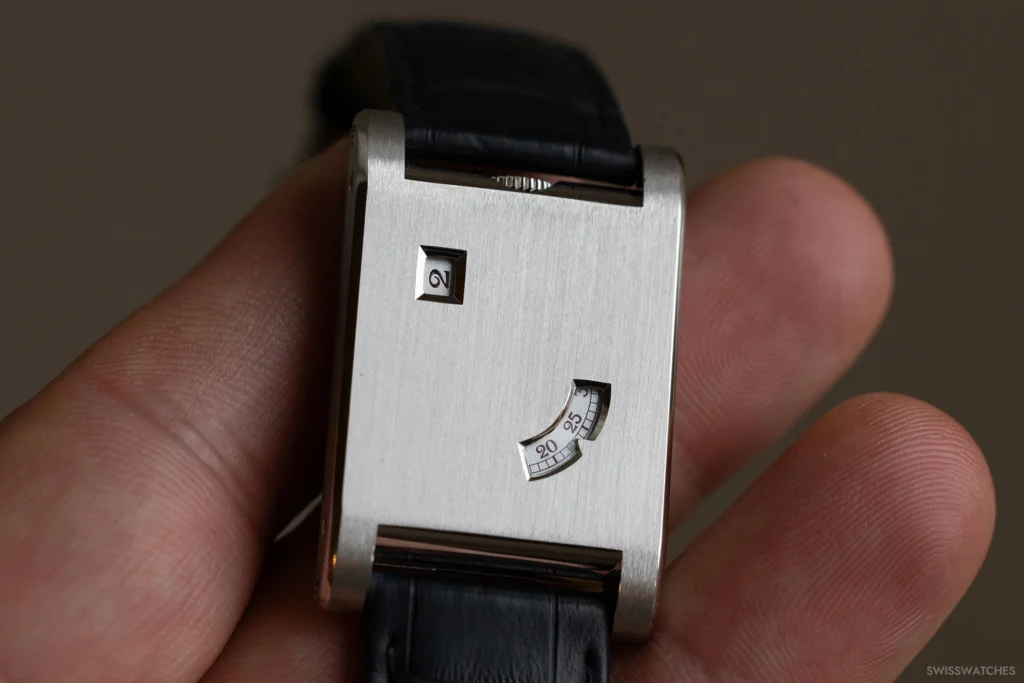
Image: SwissWatches Magazine – Via Publication
Design heritage is often more than just appeal, it’s the most central part of a brand’s marketing, goals, and drive. Some direct brand and model revivals run almost entirely on nostalgia. Take Cartier and Universal Genève for example: the Cartier Tank à Guichets was originally introduced in 1928 for VIP clients and continued in small, specialized runs from 1996 to 2005. Until, with the jump hour resurgence, Cartier brought back the Cartier Tank à Guichets for their Privé collection. An article by Hodinkee focused on the history and the scarcity of the Tank previous to the re-release, “the second most expensive Cartier Tank, of any kind, ever sold at public auction was a 1931 platinum Guichets, selling for $448,346” with the new Tank being priced around $50,000 the model has become significantly more achievable since the rebirth. Cartier can often rely on their legacy and current brand position to drive lesser known models such as the Tank à Guichets, but not all revivals are in that kind of spot.
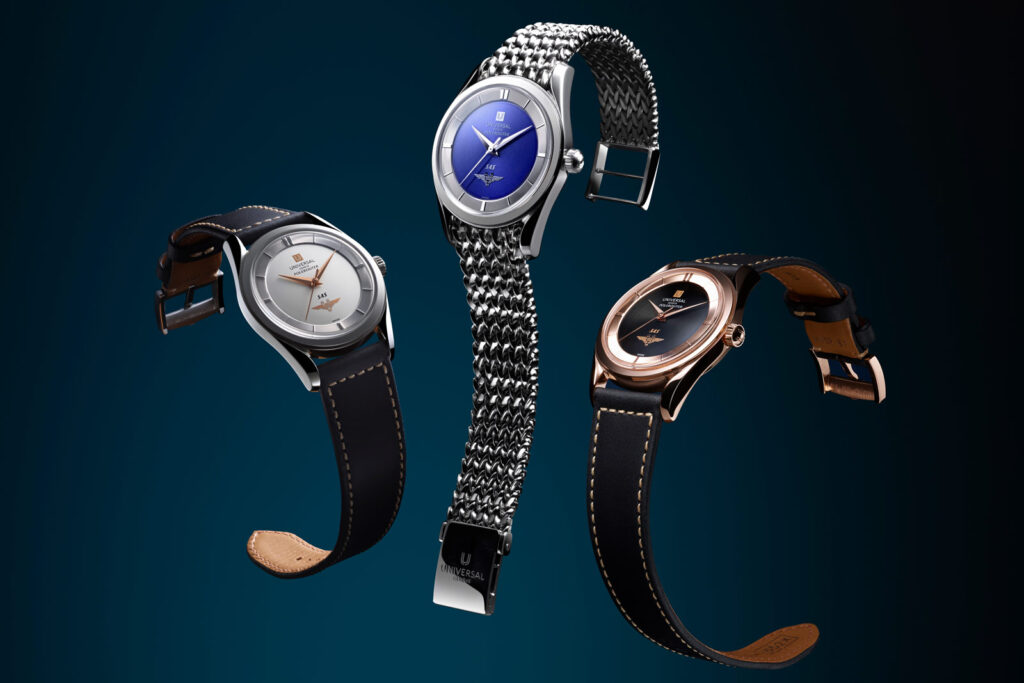
Image: WatchesBySJX – Via Publication
Take the original Universal Geneve for example, founded in the late 1800’s, thrived for nearly 100 years under undeniable design language and in-house movements, then went dark in the late 1900’s during the quartz crisis. What was left was just recently purchased by Breitling in 2023 and relaunched this year.
They released over 30 distinct models including but not limited to: The Polerouter, Compax, Cabriolet, Disco Volante, and Disco Mini. All completely in-house luxury movements, four of which are directly inspired from the original UG catalogue, appealing to both collectors and modern watchmaking, an extremely lofty task, as identified by Universal’s managing director in an article with RobbReport,
“I think the challenge is really that Universal Genève was a very important brand partly during the ‘50s and the ’60s. And we have a huge responsibility to relaunch [it] because a lot of people have huge expectations linked to this company—the creativity and the quality of the product was incredible,”
Universal as a brand has taken on a massive responsibility, to both honor and innovate, something collectors often struggle to see when blinded the desire for what was. As their adopted heritage becomes both a constraint and blueprint of what people want, their ultimate success relies on their appeal to authenticity, even at the highest levels.
Modern Interpretation
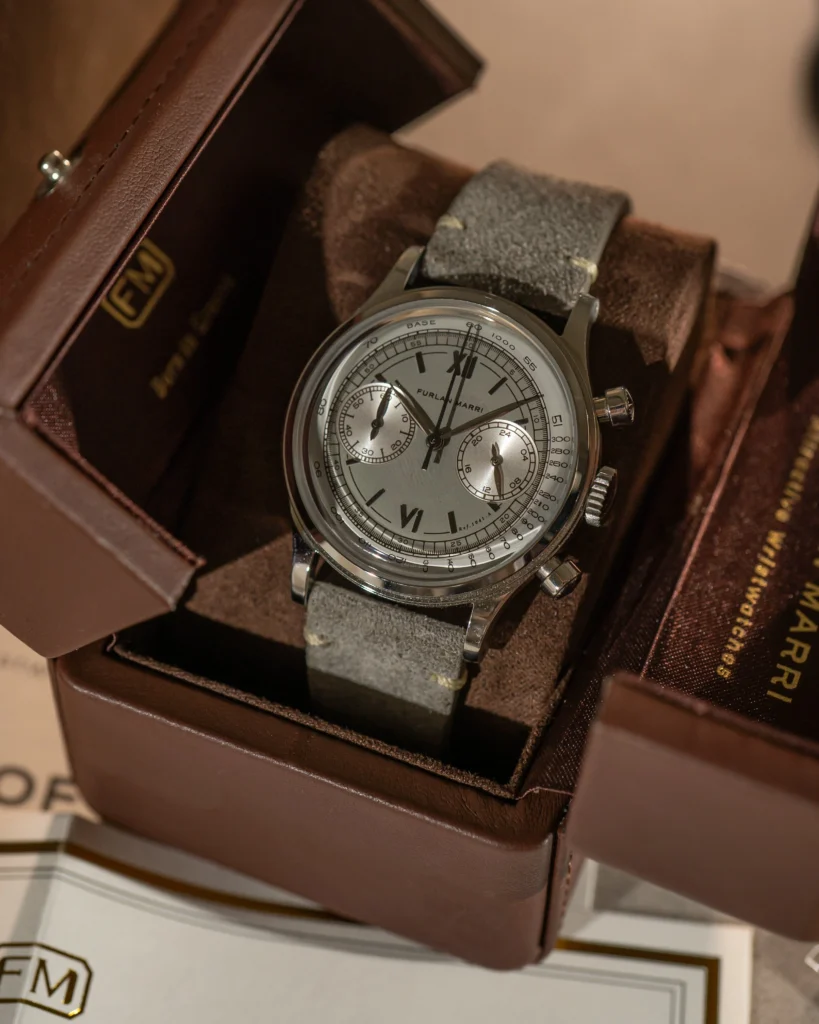
Image: Stories of Time – Via Website
When designing new watches that make collectors feel like they own a classic, authenticity is a central player. This is present with brands who boast longevity and the ability to draw from catalogues, but also occurs with entry level brands, attempting to distinguish themselves among the many. Brands analyze successful design language, whether it be this year’s trend of sector and stone dials, collaborations, or vintage case sizes. The defining factor of many brands’ success is their ability to use what people already love and adapt those into something that hasn’t quite been done before, a far cry from an homage.
One of the hardest places to position yourself as a brand is “Vintage Inspired”. Mostly due to the fact that the tagline sounds like brands admitting to being unoriginal. In reality, numerous modern brands are doing this extremely well. Take Furlan Marri and Baltic for example, both young brands who utilize outsourced movements but are loved by the community for their faithful execution of vintage design language, particularly vintage Patek. Furlan Marri in particular, won the “Revelation Prize” at GPGH in 2021, a prize reserved for brands younger than 10 years and who enter a competing timepiece. Demonstrating that part of the market has a direct desire for nostalgia and vintage design at the price of $500, not $50,000.
Market Expansion and Collector Behavior
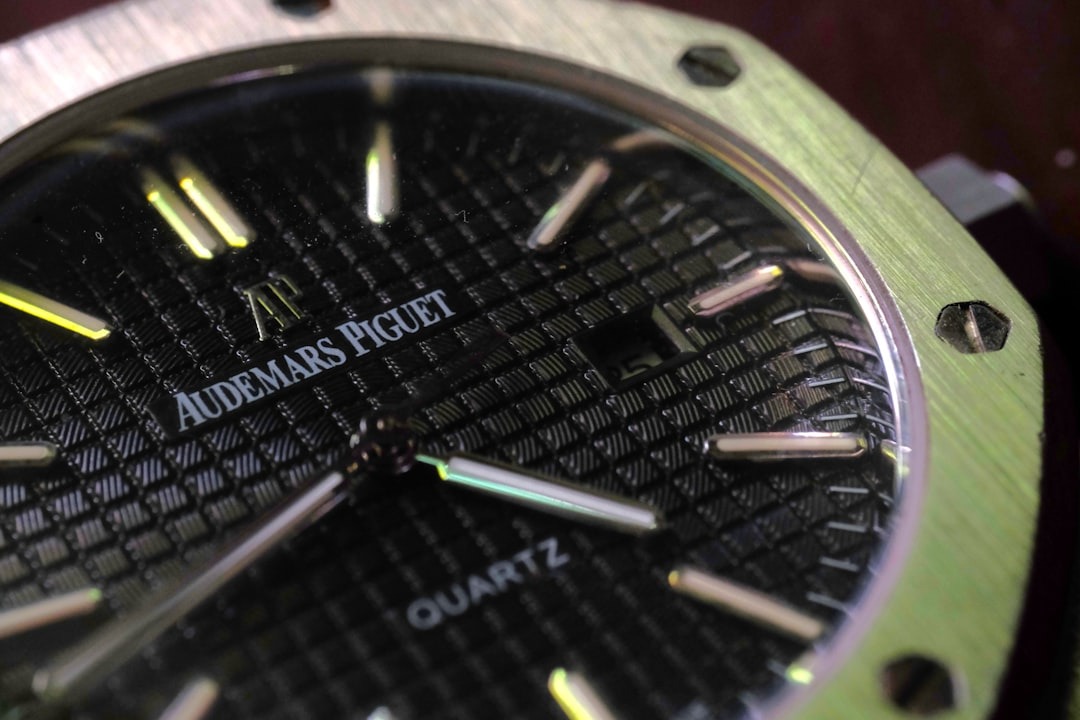
Image: Unsplash
While a broadening desire for vintage design and vintage models outside of steel dress watches and Royal Oaks are sign of a significant change, it’s certainly for the better. Eric Wind, of Wind Vintage, one of the world’s leading experts on vintage watches expressed, “… the pool of buyers is much broader and areas of interest are more diverse… I don’t see a shift so much as a broadening of interest across the board.” Eric clarified. So not only is there greater interest in general, but we also aren’t losing interest in any particular area, which invites growth and change, instead of chasing it away.
These preferences don’t remain internal, they manifest in behavior, product design, and market recognition. “The majority of the most successful watch brands in the world right now have an amazing heritage and are continuing to produce some of their most iconic designs. That proves the client demand for classic styles and the appreciation of designs with pedigree.” says Struthers. As heritage continues to define watchmaking, it runs the risk of functioning less as inspiration and more as a system that shapes repetition rather than inviting creativity.
Thanks so much to Rebecca and Eric for making this article possible.